
The Art of the Object Record: Small Details, Big Discoveries
What happens when a curator digs deeper into a collection's paperwork? Connections emerge, misidentifications get corrected, and objects start to tell fuller stories.
Every object in a museum holds more than meets the eye - but only if someone takes the time to look. Cataloguing work, unglamorous as it sounds, is where the real detective work happens. Cross-referencing acquisition records, tracking down original publications, and querying other institutions can transform a sparse object entry into something genuinely useful for future researchers.
What Acquisition Records Reveal
Annual acquisition records are one of the most underused research tools in a collection. Reading through entries from the year an object entered a museum provides context that later documentation rarely captures - what else was acquired at the same time, what the curatorial priorities were, and how one piece might relate to another sitting quietly in a different drawer.
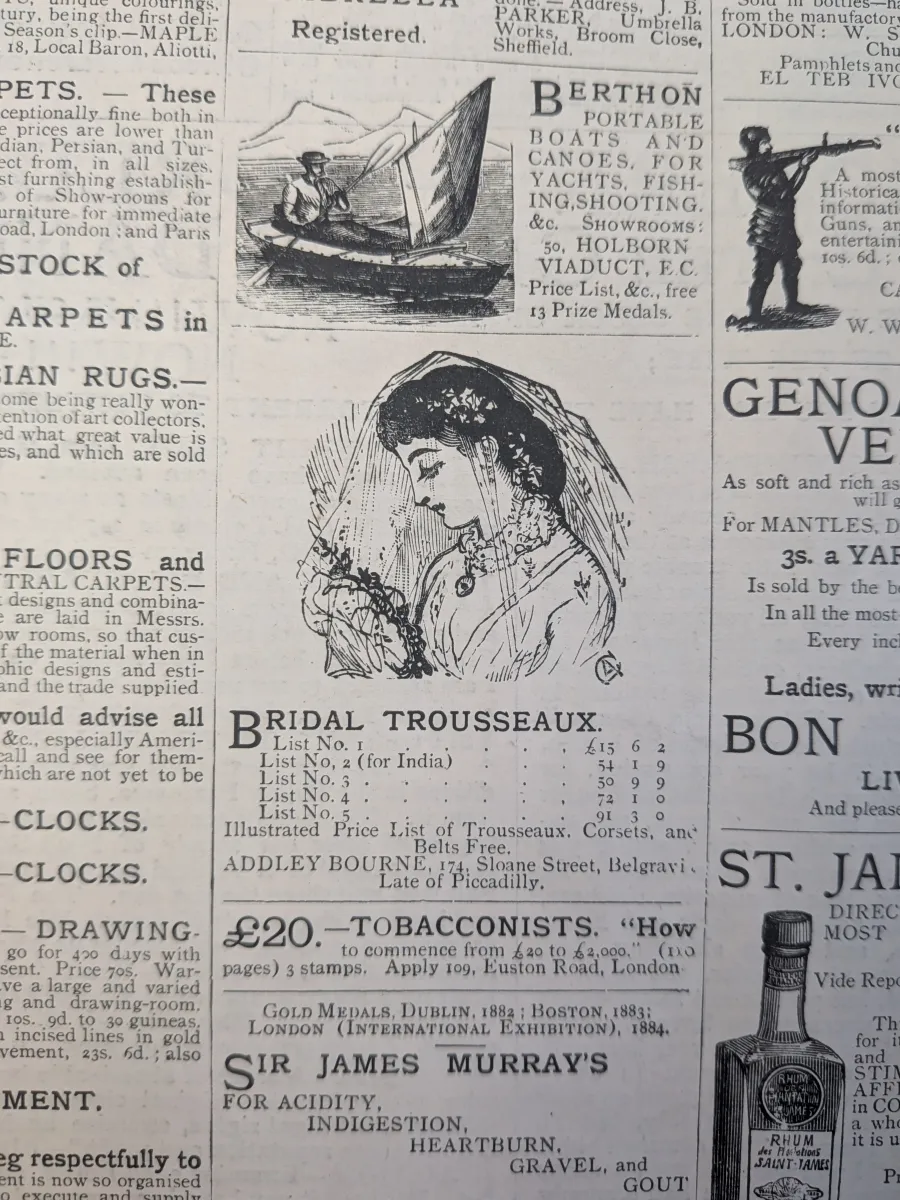
In the case of illustrative work produced for periodicals, pinning down exactly which issue of a magazine an image appeared in does more than satisfy curiosity. It anchors the work to a specific moment, clarifying when something was made rather than simply when it was collected. The difference matters.
Correcting the Record
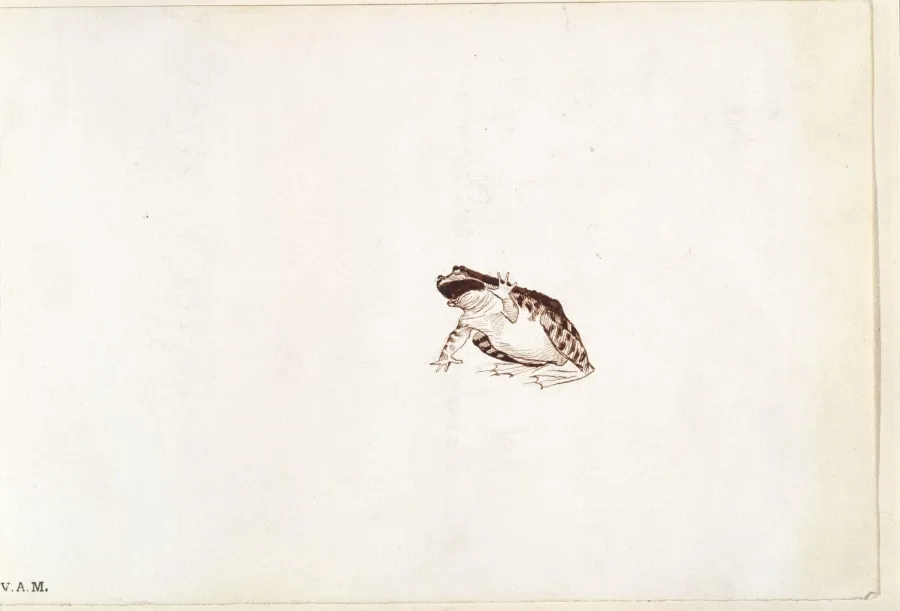
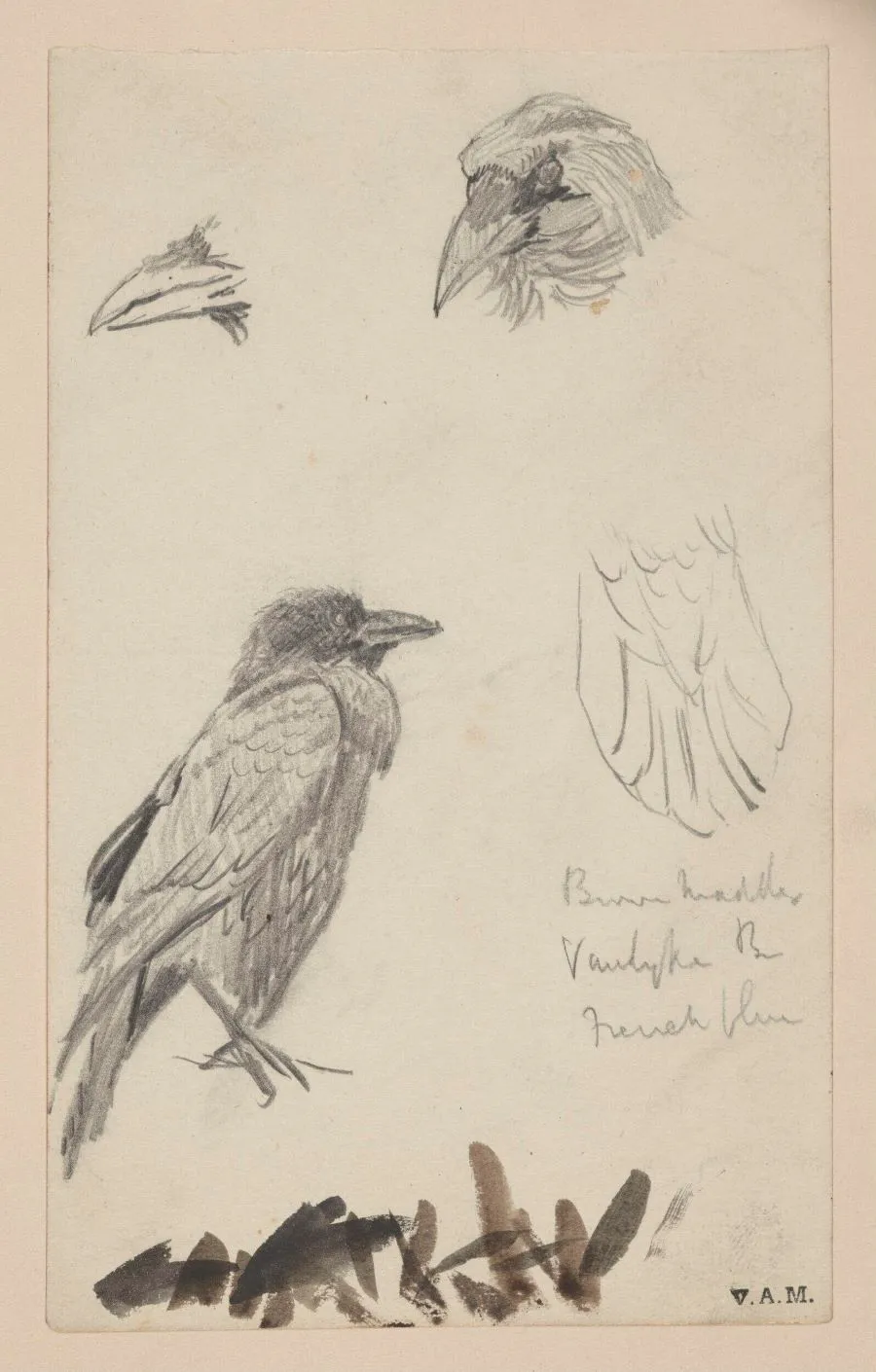
Misidentification is more common than most catalogues let on. A sketchbook page filed under one subject can turn out to belong to a sequence - related drawings of animals, say, or studies for the same published book - that only becomes visible when you go looking. Once that connection is made and recorded, the object stops being an isolated curiosity and becomes part of a coherent body of work.
This kind of correction has a practical value that extends well beyond academic interest. An accurate, detailed object record means the next researcher doesn't have to start from scratch. It means the work is findable, citable, and properly understood. That's not a small thing. It's the whole point of keeping a collection in the first place.

Gemma is a former prop stylist turned fashion columnist from Los Angeles. She focuses on the transformative power of small details, showing how belts, scarves, bags, and jewelry can elevate an everyday outfit into a standout look.
All articles by Gemma Hayes
Comments (0)