
Why Fashion Keeps Falling for Worn-Out Clothes
From desert-inspired tailoring to coats that look lived in, spring/summer 2027 is all about the beauty of wear. Here is why distressing endures and how to wear it without looking costumed.
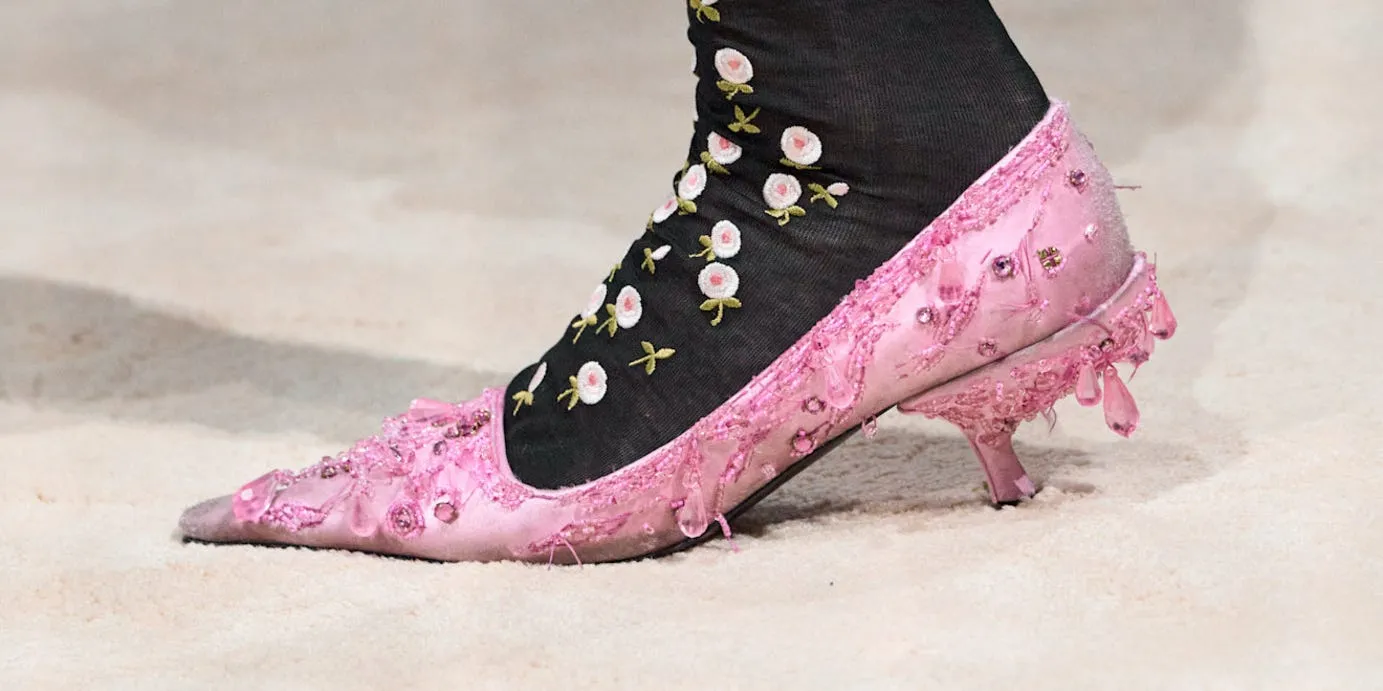
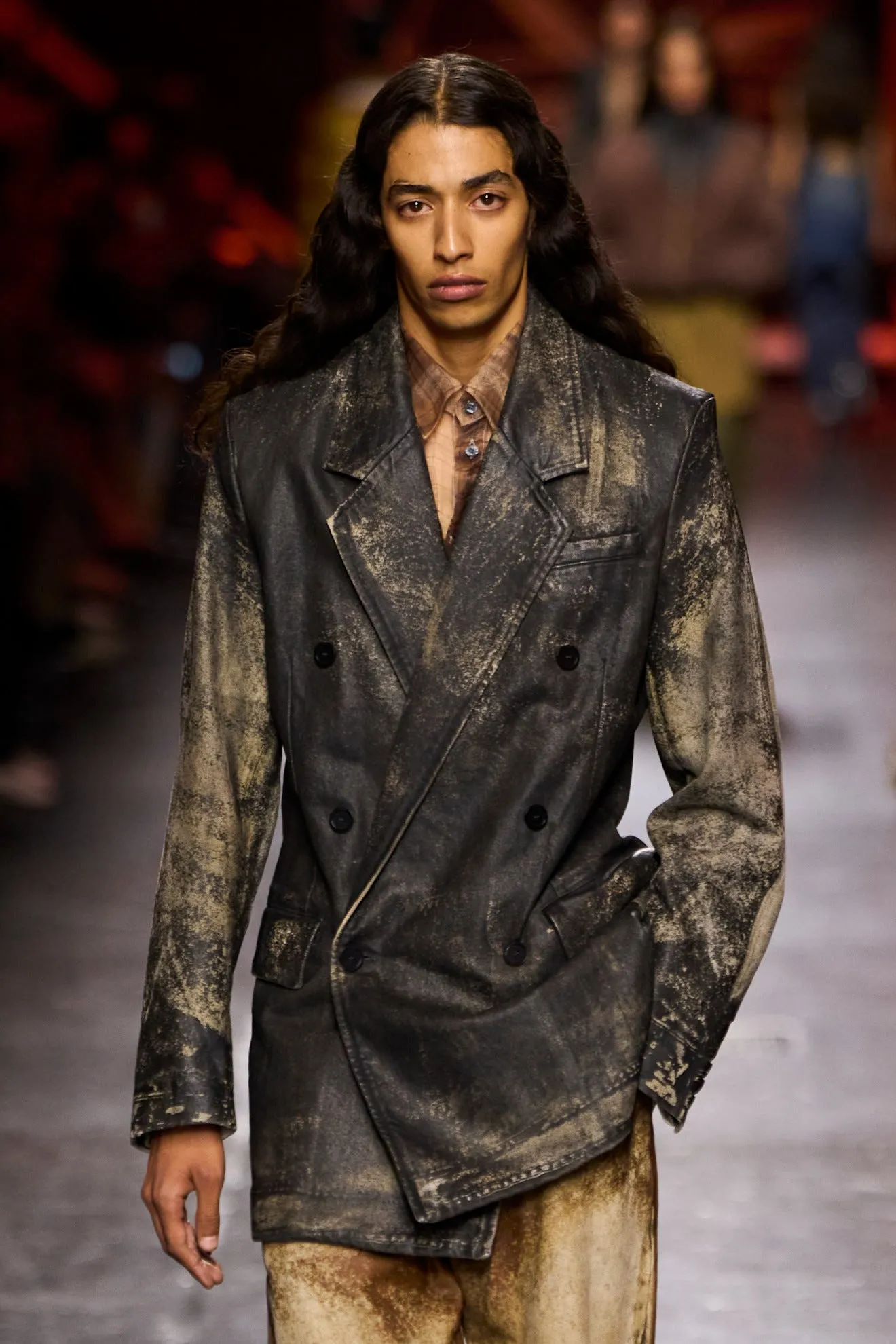
One designer, building a collection on a journey through the Californian desert, described his tailoring as "worn to death, or to eternity." It is a good line, and it sums up a mood running through the spring/summer 2027 shows, from Ann Demeulemeester to Diesel, Gucci and Balenciaga: clothes that look as though they already have a past.
The problem with looking brand new
The appeal is partly a reaction to polish. Shiny newness can read as a little too eager, as if the wearer needs you to know the clothes were just bought. Worn-in pieces say the opposite. They suggest someone who owns their clothes rather than being owned by them, and who has no need to announce a purchase.
There is also a practical pleasure in it. A coat that has already softened, a jacket that has already creased and settled, asks nothing of you. You can sit down in it, travel in it, and forget about it.
How to wear distressing well
The risk is looking like you are wearing a costume, so keep it to one statement. A battered leather coat or a frayed jacket is enough. Let everything else around it be clean and simple.
Contrast helps. Pair a weathered outer layer with crisp tailoring, a plain white shirt or smooth, well-pressed trousers. The tension between rough and refined is what makes the look feel intentional rather than neglected.
Choose character over damage. The most convincing pieces seem to have aged naturally, with softened edges, faded colour and subtle creasing, rather than being covered in obvious rips. If you are not sure, go for texture before holes.
Finally, look to what you already own. That leather jacket with its scuffed elbows, the trench with a faded collar: these are not flaws to hide. This season, they are exactly the point.

Maya is a trend scout based in Melbourne who tracks emerging street styles across global fashion capitals. Her articles offer fresh takes on fast-moving micro-trends, eclectic styling tricks, and bold street-level accessories.
All articles by Maya Redford
Comments (0)