
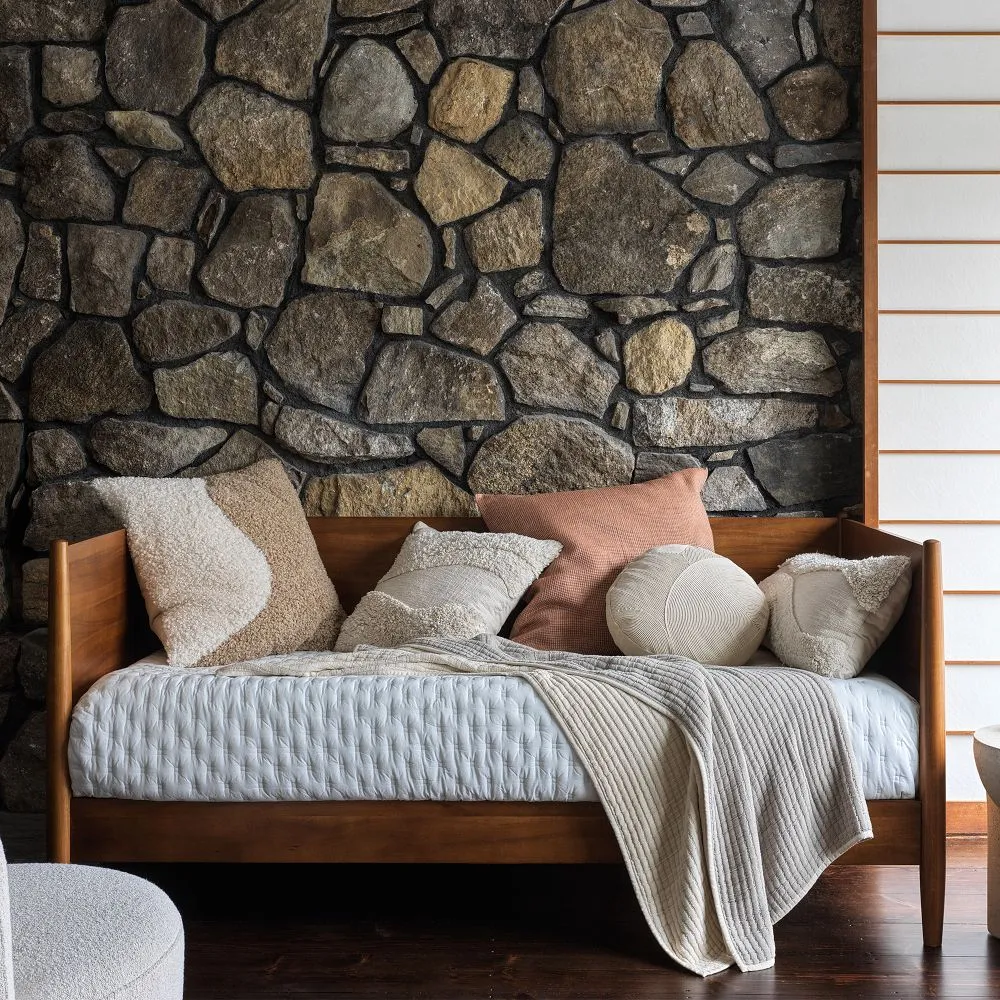
How to Choose a Sustainable Daybed That Works
A daybed pulls double duty in any home - seating by day, sleeping by night. Here's what to look for when you want it to be beautiful and responsibly made.
A well-chosen daybed is one of the most versatile pieces you can bring into a home. It earns its place in a guest room, a reading nook, or a narrow spare space where a full bed would feel like too much of a commitment. When it's also made with care - solid wood, natural fabrics, packaging that doesn't go straight to landfill - it becomes something you can feel good about long after the novelty of a new piece wears off.
The question isn't just whether a daybed looks right. It's whether the materials hold up, whether the company stands behind what they sell, and whether the design is calm enough to live with for years.
What Sustainable Actually Means Here
In furniture, sustainability covers a lot of ground. It can mean FSC-certified or reclaimed wood, recycled metal hardware, low-VOC finishes, or upholstery in linen and other natural fibres. The best pieces combine several of these without making the design suffer for it.
Brands like Thuma have built a reputation around this approach - Greenguard certification, recycled materials, and packaging designed to minimise waste. Their daybeds arrive ready to assemble simply, with quality that customers consistently notice from the first unboxing.
Sundays takes a similarly considered path, working with solid wood and linen-blend fabrics and planting trees as part of their production commitment. Their starting price of around $1,290 reflects genuine material quality rather than a premium for aesthetics alone.
The Details Worth Paying Attention To
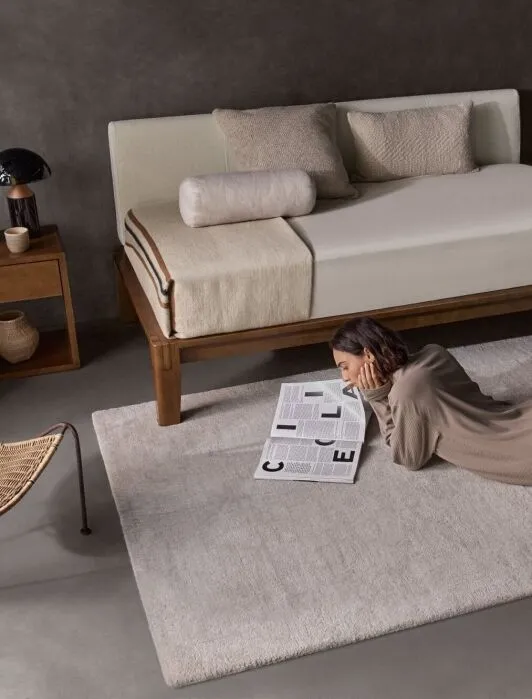
Beyond certification labels, look at the finish. A daybed in a guest room takes more varied use than a primary bed - people sit on the edge, lean against the back, pile it with cushions or bags. The frame needs to handle that without creaking or showing wear at the joints within a year.
Neutral tones in natural fabrics - oatmeal linen, undyed cotton, warm wood - age well and work across different rooms if you ever rearrange. A warranty matters too. A company confident in their materials will offer one.
If you're furnishing a space where the daybed will serve as both a sofa and an occasional guest bed, prioritise a frame with a low, clean profile and a mattress or cushion thick enough to sleep on comfortably. The best sustainable daybeds don't ask you to choose between conscience and comfort.

Ethan is a bespoke menswear consultant based in Toronto. He focuses on smart-casual dressing, proper garment fit, and blending timeless tailoring with contemporary street style accessories.
All articles by Ethan Blake

Comments (0)